Introduction
Cardiopulmonary resuscitation (MOUTH-TO-MOUTH RESUSCITATION) is a life-saving procedure that can make all the difference in emergency situations. Whether it's a heart attack, sinking occurrence, or any various other clinical emergency, knowing how to perform CPR properly can be the secret to conserving lives. In Australia, the guidelines for mouth-to-mouth resuscitation are structured to make sure that individuals are geared up with the understanding and skills needed to act promptly and confidently during such dilemmas. This short article provides an exhaustive consider exactly how to perform mouth-to-mouth resuscitation in Australia, detailing essential standards, techniques, and ideal practices.
How to Execute mouth-to-mouth resuscitation in Australia: Important Standards and Techniques
What is CPR?
Cardiopulmonary resuscitation (CPR) is an emergency lifesaving procedure performed when the heart quits pounding. It entails breast compressions and rescue breaths to maintain blood flow and oxygenation up until innovative medical assistance arrives. Recognizing how to do CPR properly is crucial for any person who might discover themselves in a placement to aid a person in distress.
Why is CPR Important?
CPR is essential because it assists keep blood moving to the mind and various other vital body organs throughout heart attack. The earlier mouth-to-mouth resuscitation is initiated, the higher the chances of survival. According to stats from St John Rescue Australia, instant CPR can increase and even triple a person's chance of survival.
Understanding Cardiac Arrest
What Causes Heart Arrest?
Cardiac arrest happens when the heart instantly stops pumping blood efficiently. This can be due to different reasons, including:
- Heart disease Drowning Severe trauma Drug overdose Electrical shock
Recognizing these reasons can assist you comprehend the necessity of doing mouth-to-mouth resuscitation when necessary.
The Basics of Performing CPR
Adult mouth-to-mouth resuscitation Guidelines
Step-by-Step Instructions
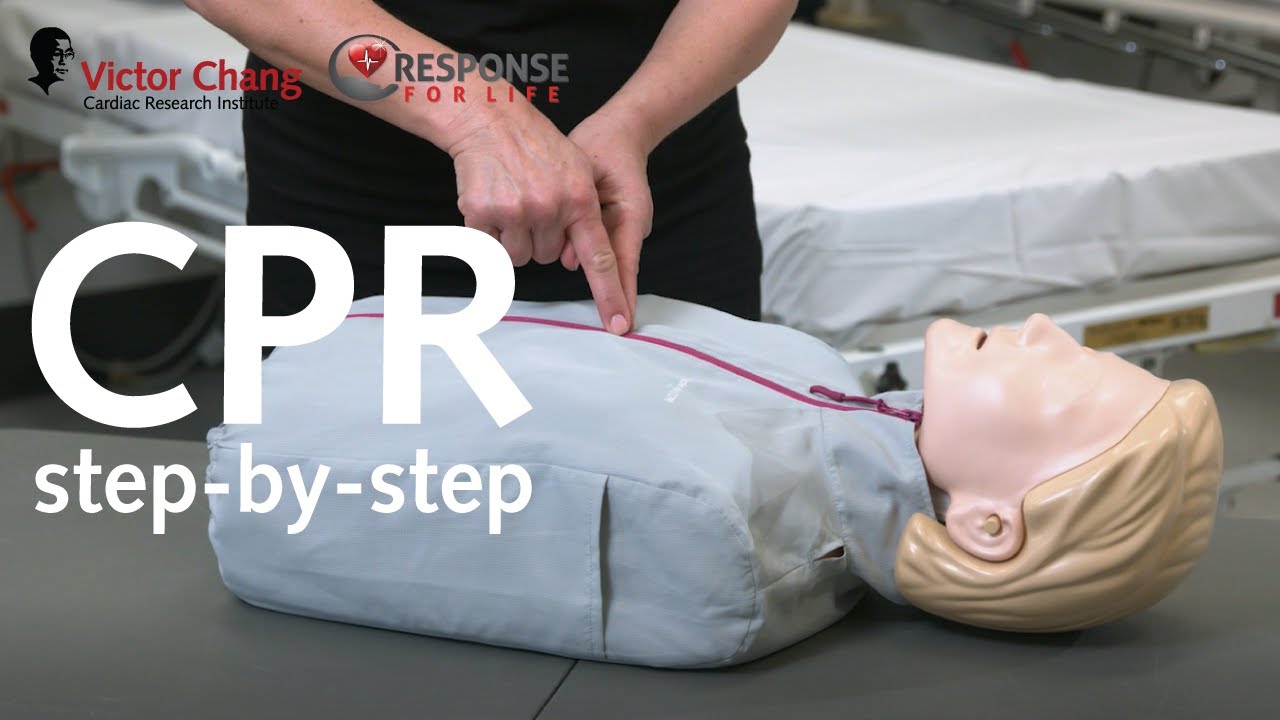
Check Responsiveness: Shake the individual carefully and shout loudly. Call for Help: If there's no feedback, telephone call 000 immediately for emergency assistance. Positioning: Make sure the person is lying flat on their back on a firm surface. Open Airway: Tilt their head back a little by positioning one hand on their temple while lifting their chin with another hand. Check Breathing: Look for upper body movement and pay attention for breathing sounds. Start Upper body Compressions:- Kneel next to them. Place heel of one hand on the center of their chest. Place your various other hand on top; interlock fingers. Keep arms straight and shoulders straight over hands. Compress at least 5 centimeters deep at a rate of 100-120 compressions per minute.
- After 30 compressions, give 2 breaths making use of a pocket mask or mouth-to-mouth if safe. Continue cycles of 30 compressions adhered to by 2 breaths.
Incorrect Compression Depth
One common mistake during adult mouth-to-mouth resuscitation is utilizing an inaccurate compression depth-- less than 5 cm or greater than 6 centimeters may not be effective enough or might cause injury. Constantly aim for between 5 centimeters and 6 cm.
CPR for Special Situations
Infant CPR Technique
Performing infant mouth-to-mouth resuscitation calls for certain strategies due to their size:
Check Responsiveness: Delicately touch the infant's foot or shoulder. Call for Help: Call emergency services while making sure safety first. Positioning: Lay them on a firm surface on their back. Open Airway: Make use of a neutral position rather than turning their head back too far. Check Breathing: Observe regular breathing patterns closely. Chest Compressions:- Use two fingers positioned just listed below the nipple line at a depth of about 4 centimeters at a rate comparable to grownups-- 100-120 compressions per minute.
- Give 2 mild breaths after every 30 compressions; guarantee no obstruction occurs.
Drowning Victims
For sinking sufferers, it's crucial initially to obtain them out of water securely before beginning mouth-to-mouth resuscitation:
Follow common CPR steps however stress rescue breaths given that they might not be breathing because of water inhalation.
Ensure airways are clear by tilting the head backward prior to launching rescue breaths.
Utilizing AED with mouth-to-mouth resuscitation in Australia
What is an AED?
An Automated External Defibrillator (AED) is created to assess heart rhythms and provide electric shocks as required during heart attack situations.
How To Utilize AED
Turn on the AED tool; adhere to voice motivates offered by it meticulously. Expose the chest location where pads will certainly be placed. Attach pads according to diagrams shown on pads or device directions-- one pad over ideal breast bone and one more below left armpit. Ensure no person touches the patient while evaluating rhythm-- clear everyone away! If shock advised, press 'shock' switch when motivated; resume upper body compressions promptly after shock delivery.Household mouth-to-mouth resuscitation Readiness
Preparing Your Home For Emergencies
Being ready at home can save crucial mins during emergencies:
Have obtainable locations for emergency treatment kits consisting of gloves, scissors, antibacterial wipes & & guidebooks detailing basic first aid treatments consisting of "how to carry out mouth-to-mouth resuscitation." Discuss household emergency situation plans frequently involving all relative so everyone recognizes what actions they should take if something occurs unexpectedly!FAQs Regarding Doing CPR in Australia
Q1: How long does a mouth-to-mouth resuscitation certificate continue to be valid in Australia?
A1: A typical CPR certificate validity lasts as much as 3 years before requiring renewal with recertification courses used extensively across various organizations like St John Ambulance.
Q2: Are there online alternatives readily available for obtaining certification?
A2: Yes! Many identified establishments offer online mouth-to-mouth resuscitation certification that enables participants versatility regarding time administration while finding out crucial abilities needed efficiently!
Q3: What age-specific guidelines exist for carrying out cpr?
A3: Yes! There are clear age-specific cpr guidelines australia emphasizes distinctions based upon age groups (babies vs children vs adults) concerning strategies used therefore making sure effectiveness without creating injury unintentionally!
Q4: Is there any kind of analytical data connecting success rates post-cpr?
A4: Definitely! According To cpr success price data australia, Immediate initiation enhances survival rates dramatically showing relevance behind prompt interventions!

Q5: Can I utilize AED without official training?
A5: Definitely! Many contemporary devices come outfitted with straightforward instructions making it feasible even inexperienced people provide shocks securely when necessary!
Q6: Where can I locate local classes providing hands-on training sessions?
A6: Numerous organizations offer local mouth-to-mouth resuscitation classes, including community centers in addition to health centers concentrating primarily instructing fundamental lifesaving techniques efficiently with practical presentations together with theoretical knowledge acquisition!
Conclusion
Knowing just how to carry out CPR in Australia properly has actually become a crucial ability capable of conserving many lives annually-- an obligation https://postheaven.net/camerctjsa/combining-cpr-and-first-aid-a-total-life-saving-skill-set all of us share within our areas! By recognizing fundamental principles surrounding this life-saving method alongside incorporating resources readily available locally such as courses tailored specifically towards enhancing private capacities; we equip ourselves far better gearing up those willing adequate rise events where activity needs taken quickly! Bear in mind constantly practice makes perfect; therefore continuous understanding whether participating in refresher course trainings workshops guarantees readiness against unforeseen emergency situations striking when the very least expected!

First Aid Pro is one of Sydney’s leading providers of accredited CPR and first aid courses. Established in 2012, our nationally registered training organisation (RTO) has equipped over 2.6 million Australians with essential life-saving skills through our experienced team of over 110 expert trainers. Conveniently located in the heart of Sydney at Chambers Arcade Level 15, Suite 1501/370 Pitt Street, Sydney NSW 2000, we offer top-quality, nationally accredited CPR and first aid training sessions tailored to your needs—whether for workplace requirements, career advancement, or personal safety. From childcare-specific first aid to advanced first aid and resuscitation, we’ve got you covered! Secure your Sydney first aid course or CPR training with us and build the confidence to handle emergencies with a trusted Sydney first aid provider. Take the first step towards becoming a skilled and capable first aider with First Aid Pro today! Call today on 08 7120 2570.